


Read Our Best Articles
-
44 Fun Activities to Do with Your Dog

-
Why is My Dog Not Eating His Food But Will Eat Treats?

-
When to Switch Your Puppy to 2 Meals a Day

-
Ultimate First-Time Dog Owner’s Guide

-
10 Best Dogs For Single Guys (In Need of a Wingman!)

-
23 Cold Weather Dog Breeds That Love Snow and Winter

-
13 Best Dog Fence Ideas For Your Backyard (Cheap & Simple!)

Crate training a rescue dog takes more patience and understanding than working with a young puppy, but it can absolutely be done. Many rescue dogs arrive with unique challenges — they may never have been inside a crate, or they could carry negative associations with confinement. The key is to turn the crate into a safe, positive space that helps your dog feel secure in their new home.
So, how do you crate train a rescue dog? The process comes down to gradual exposure, consistency, and positive reinforcement. Below is a detailed guide that any new rescue dog owner can follow.
Why Crate Training Helps Rescue Dogs
A properly introduced crate gives your dog a safe space — a den where they can retreat and relax. For a rescue dog, it can:
- Offer security in a new environment
- Help with house training
- Reduce stress when unsupervised
- Assist with travel and vet visits
But because many rescues have experienced trauma or unpredictability, you must approach crate training gently and thoughtfully.
Why Crate Train A Rescue Dog?
A crate can be a secure space for a dog, and crate training your rescue can help make your dog feel safe and secure. This means that a crate can make your dog feel calm and relaxed in stressful situations.
It allows your rescue dog to seek a safe space when he is tired, stressed or nervous. In addition, a crate can also help a dog settle in their new environment.
This is especially important in the first few days when your new rescue is home with you. If you have a travel crate, then you can even use this crate to make travelling with your furry companion easier.
How Do You Crate Train a Rescue Dog – 8 Steps
Here are our top tips on how you can crate train your rescue puppy or adult dog (see also ‘7 Tips For Crating A Puppy‘).
1. Choose The Right Crate For Your Dog
Crate training starts with you choosing the right crate that fits your dog’s size. It’s a good idea to measure your new furry friend and then pick the right size.
The crate should have plenty of room for the dog to stand up and move around. If you are getting a rescue puppy, make sure that you already buy a bigger crate to save some money.

2. Introduce The Crate To Your Dog
It’s essential that you slowly introduce your rescue to its new crate. Place the crate somewhere easily accessible where your pooch spends most of his time. Then leave the crate door open and see if he explores at his own pace.
Some dogs need a bit of time to sniff around and discover what’s inside this new space.
If you find that your dog isn’t interested in the crate for a couple of days, then you can gently move him next to the crate. You can also entice him into the crate with some treats.
3. Make The Crate A Comfortable Space
A crate should be a place where your dog feels comfortable and safe. Put his favorite blanket or towel down for a little bit of softness.
You can also put a dog bed inside the crate to help your dog get used to this new space. The more comfortable your dog feels inside the crate, the more time he will spend there.
4. Use Toys And Treats For Your Crate Training
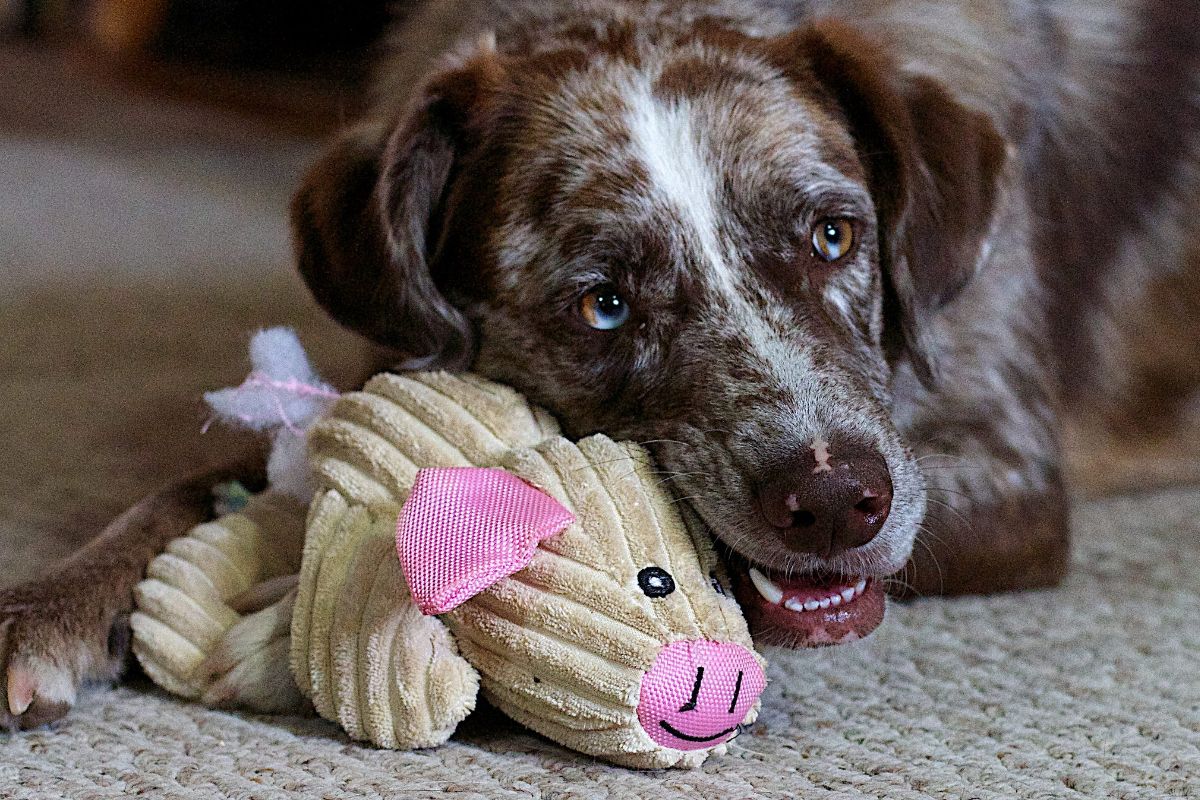
One easy way to get your rescue to go inside his crate is by using treats and toys. You can simply place his favorite treats near the crate. Once he eats them, put some by the entrance of the crate and then inside.
It’s important that you give your dog the time he needs to discover his crate on his own. Some dogs aren’t interested in treats, then you can try it with your pooch’s favorite toy.
Check out BreedAdvisor.com top calming treats for anxious dogs.
5. Feed Your Dog In The Crate
When your rescue starts to spend more time near and inside the crate, then you can start feeding your dog in the crate. Food is always a fantastic dog training tool. Your dog will begin to associate the time in the crate with a positive experience.
You just need to place the food in the crate and allow your dog to come into the crate on his own.
If you feel that your dog is a little anxious about going inside, then you can put the bowl near the crate door, and move the bowl slowly towards the back with each meal.
6. Teach Your Dog A Crating Time Command
So far, your crate training should have involved an open crate door at all times. Once your rescue is more used to having his meals in the crate, then you can start keeping him there for a short time while you are at home.
It’s a good idea to teach your dog a command, such as a kennel or crate. Simply point towards the crate, say the command and give your dog a treat if he walks towards the crate.
Once your dog is inside the crate, close the door and walk out of the room for five minutes. If your dog feels uncomfortable with the closed door, then he will likely bark.
If your dog barks or makes other noises while he is confined in the crate, let him out and spend some more time on getting him comfortable in the space, with treats and toys. Once he is more comfortable, you can increase crating time slowly over time.
7. Crate Your Rescue Dog When You Leave Your Home
When it comes to crate training your dog, you will need to be consistent. Once your dog is more comfortable with staying in his crate for some time, you can start to leave him there when you are going out.
Make sure that your pooch has plenty of food, water and toys in his crate. Plus, only crate your dog five minutes before you leave your home.
It’s important that your arrivals and departures aren’t too noisy. Just keep it simple to reduce any anxiety your dog might feel.
8. Crate Your Dog During The Night
How do you crate train a rescue dog during the night? If you want to train your dog to sleep in his crate overnight, then it’s a good idea to place the crate close to your bedroom or inside your bedroom.
This will make your dog feel less isolated and he knows that you are nearby. Once your rescue gets used to sleeping in his crate, you can place it a little further away.
“Rescue dogs thrive on patience and routine. When crate training is done with kindness, it becomes a tool for healing as much as for training.” — Victoria Stilwell, Dog Behavior Expert
How Do You Crate Train a Rescue Dog?
Additional Tips for Successful Training
-
Pair crate time with soothing music or a pheromone diffuser to reduce anxiety.
-
Stick to a predictable routine for bathroom breaks, feeding, and crate sessions.
-
Seek help from a positive reinforcement trainer if your dog struggles with separation anxiety.
Final Thoughts
Crate training your dog isn’t difficult, it just takes some time and patience to allow your dog to explore his new environment at his own pace.
FAQs About Crate Training a Rescue Dog
Q: How long does crate training take for a rescue dog?
It depends on your dog’s history. Some adjust within a week, while others need months. Progress should move at your dog’s pace.
Q: Can I crate my rescue dog while I’m at work all day?
No. Long periods in a crate can cause stress or regression. Arrange for a midday break, dog walker, or playpen alternative.
Q: What if my dog cries in the crate?
Make sure their needs are met (bathroom, water, comfort). If crying continues, wait for a brief moment of quiet before opening the crate — this rewards calm behavior, not noise.
Q: Is crate training always right for rescue dogs?
Not always. Dogs with severe trauma or confinement phobia may need alternatives, like playpens or safe rooms, with guidance from a professional.


